Posts
Posts


To be perfectly honest, I find the subject of natural wine really quite tedious, but I'm on a panel about it at the EWBC Conference in Turkey next month, so am having to give it some thoughts. Here's one of them...

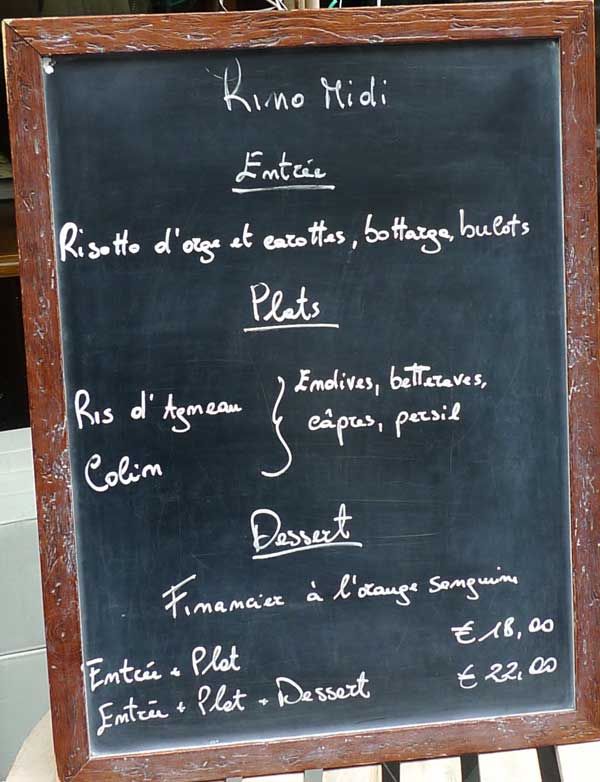
Is smoking salmon aceptable to natural wine fans?
And what about that lemon?
And what about that lemon?
This direct quote from the Natural Wine Co website is wonderfully revealing of the tone that is being taken by at least some members of the natural wine community.
Let's try a similar concept
"most women in the United States like to read books containing bondage, cookery tips, slushy romance, women detectives, female business icons, reality TV stars and the like"
If you think both quotes are acceptable, I recommend that you stop reading now and find something else to do.
What I love about this kind of thinking is its all-embracing quality, the casual use of the word "most", followed by the lumping together of a set of disparate words. Do "most wines" sold in the US really contain "Mega Purple"? (I'd presume that its use in Chardonnay is pretty limited". And is "oak essence" use really that widespread? (I find it hard to detect in most Pinot Grigio).
If "preservatives" includes SO2, then this at least has the smack of truth. And is at least some use of sulphor dioxide that might give a wine stability and the potential to survive for a decade or so in the cellar, really that bad an idea?
Sugar - for which one might read rectified must, which is actually concentrated grape juice - must be a bad additive. As must acid (especially the tartaric acid that is naturally to be found in wine). The very idea of adding stuff like this to make wine taste better is totally unacceptable. Isn't it?
So here are a few simple questions for the wine naturalistas.
- Do you add salt and/or pepper to your meat?
- Do you sprinkle lemon juice (and possibly a little pepper) on your fish?
- Do you add sugar to your rhubarb, gooseberries, crab apples?
- Do you eat olives directly from the tree?
If so, why?
...
And, a late addition from Michel Smith, "Do you smoke?"
(possibly more likely to get an affirmative in some parts of Europe).
...
And, a late addition from Michel Smith, "Do you smoke?"
(possibly more likely to get an affirmative in some parts of Europe).